Essential Features Every Small Business Website Should Have
A well-designed website is crucial for small businesses to establish a strong online presence, attract customers, and drive growth. Here are the essential features every small business website should have to ensure it is effective and user-friendly:
Professional Design and Branding
Ensure your website reflects your brand identity with a consistent color scheme, logo, and fonts. Use a clean, professional layout that is easy to navigate and visually appealing.
If you’re unsure where to start, working with experts in website design for small business can ensure your site looks credible and conversion-ready.
Mobile Responsiveness
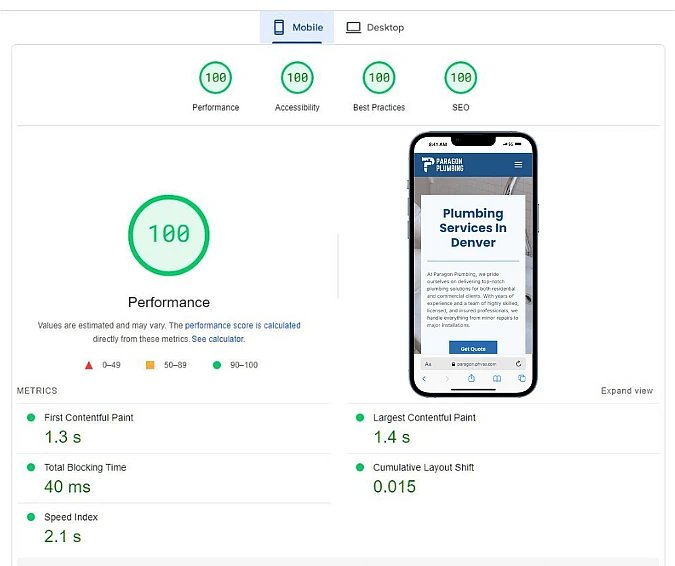
Implement a responsive design that adapts to different screen sizes, ensuring a seamless user experience on all devices. Optimize images and use efficient coding practices to ensure fast loading times on mobile devices.
Fast loading speed and smooth performance directly impact both user experience and SEO rankings.
Clear Navigation
Your navigation should guide visitors effortlessly. A simple menu structure ensures users can quickly find key pages like services, pricing, or contact details.
This reduces bounce rates and improves engagement.
Contact Information
Make it easy for customers to reach you. Your contact details should be clearly visible on every page.
Display your contact information, including phone number, email, and physical address, prominently on your website. Include a contact form to make it easy for visitors to get in touch with you.
About Us Page
Your story matters. A well-written About page builds trust and helps differentiate your business.
Provide a detailed “About Us” page that tells your business’s story, mission, and values. Include bios and photos of key team members to add a personal touch and build trust with visitors.
Services or Products Page
Communicate your services clearly and show exactly how they solve your customers’ problems and deliver real value.
Clearly describe the products you offer, including features, benefits, and pricing. Use high-quality images to showcase your products or services.
Testimonials and Reviews
Customer feedback is one of the strongest conversion drivers.
Feature customer testimonials and reviews to build credibility and trust with potential clients. Include case studies or success stories that highlight how your products or services have helped other customers.
Clear Call-to-Action (CTA)
Every page should have a purpose. Whether it’s booking a service or requesting a quote, your Call-To-Action (CTA) should be straightforward.
Use clear and compelling CTAs to guide visitors towards desired actions, such as signing up for a newsletter, requesting a quote, or making a purchase. Place CTAs strategically throughout your website to maximize conversions.
Social Media Integration
Connecting your website with your social platforms increases engagement and extends your reach.
Include links to your social media profiles to encourage visitors to connect with you on various platforms. Add social media share buttons to your blog posts and product pages to make it easy for visitors to share your content.
Website Security
Security builds trust.
Ensure your website is secure with an SSL certificate, which encrypts data and builds trust with visitors. An SSL certificate ensures your website is safe for users and favored by search engines.
Analytics and Tracking
Implement Google Analytics or another tracking tool to monitor website traffic, user behavior, and other key metrics. Set up conversion tracking to measure the effectiveness of your CTAs and marketing campaigns.
Data from these tools are essential for improving your small business website checklist over time.
FAQ Section
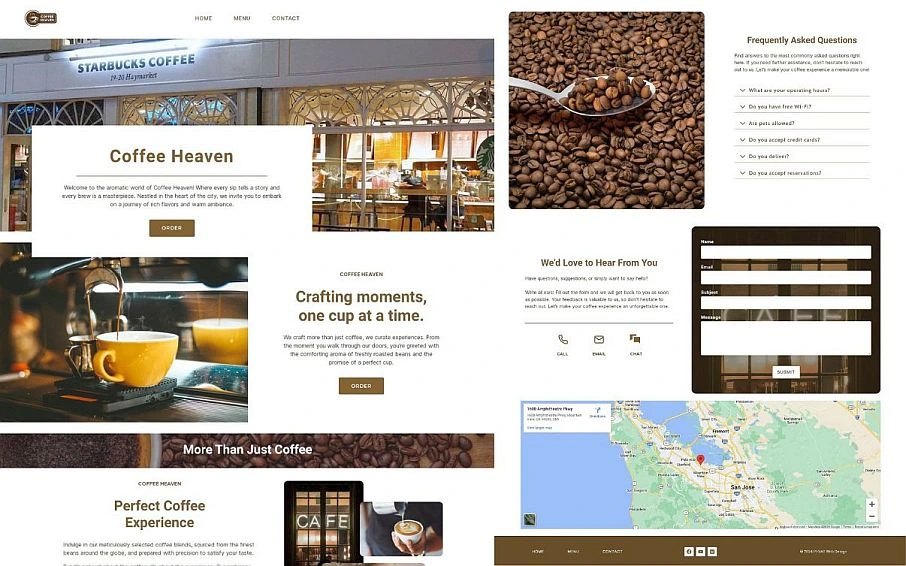
Include a FAQ section to address common questions and concerns that potential customers might have. Provide detailed, helpful answers to improve user experience and reduce the need for direct inquiries.
It’s a simple but powerful way to improve user experience and increase conversions.
Final Thoughts
Incorporating these essential features into your small business website can significantly enhance its effectiveness, user experience, and overall performance. A well-designed, informative, and user-friendly website not only attracts visitors but also converts them into loyal customers, driving long-term business success.
A high-performing website isn’t just about design, it’s about strategy.
If you want better results, your site should be built with both users and search engines in mind. Investing in a well-structured small business website ensures you’re not just getting traffic, but turning that traffic into real customers.